

Language assessment is the systematic evaluation of a person’s ability to understand or use a language. When that evaluation ignores culture—the shared values, communication conventions, experiences, and social expectations that shape how language is used—it can mistake difference for deficiency. The result may be an inaccurate score, an inappropriate educational or clinical decision, or an […]
Month: August 2026

Growing up in two cultures why language exposure matters more than you think
Growing up in two cultures means learning to make sense of family, community, and identity across different cultural worlds. Language exposure is more than vocabulary practice: it helps children communicate with relatives, participate in traditions, and build relationships, while supporting—rather than guaranteeing—language and literacy development. Research shows that children can learn more than one language, […]
When Language Stops Working Inside Aphasia and Recovery
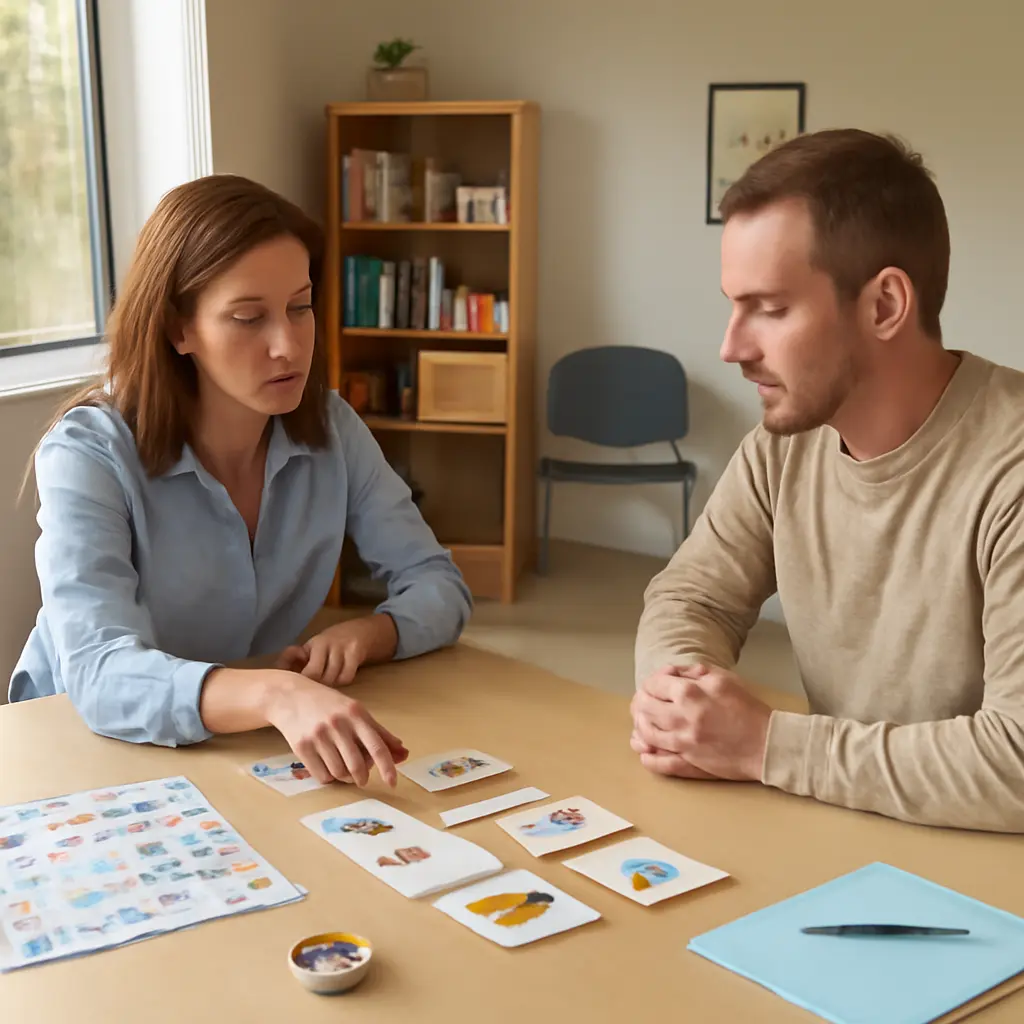
Aphasia is an acquired language disorder that can affect speaking, understanding, reading, and writing after brain damage, most often from stroke. When language stops working, the difficulty is not simply “finding the right word”: damage can disrupt several connected processes used to understand and produce language. Recovery may draw on the brain’s changing networks, speech-language […]

Speech therapy training still underestimates this common childhood condition
Speech sound disorders (SSDs)—conditions that affect how children produce speech sounds or organize them in a language system—are common, yet they can receive limited attention in speech-language pathology training. The American Speech-Language-Hearing Association (ASHA) estimates that speech sound disorders affect about 8% to 9% of young children. Training that emphasizes articulation alone may not adequately […]

Balancing practice sessions with recovery time in your schedule
Practice Sessions and Recovery Time: Building a Balanced Training Schedule Practice sessions are planned periods of focused work used to develop a skill, while recovery time is the interval that allows the body or mind to adapt, restore resources, and prepare for the next effort. A balanced schedule alternates appropriately demanding practice with rest rather […]